
Attractions.io changelog
Deeplink to My Visit/Wallet tab
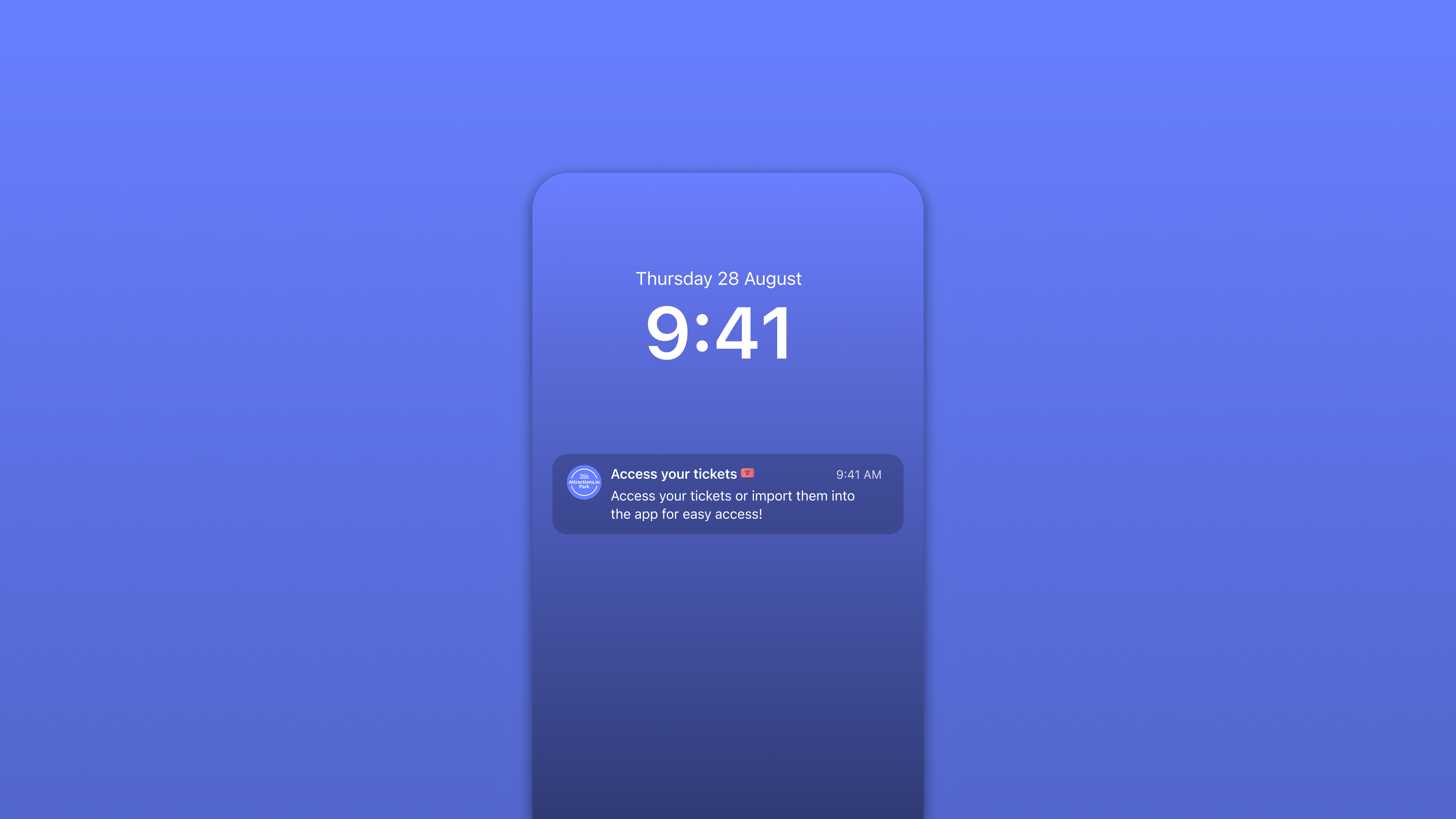
Deeplink to My Visit Wallet
Create direct links that open the My Visit Wallet tab so guests land on their planner, tickets, and visit essentials in one place. Use the same link across push, email, SMS, and web banners; it resolves to the Wallet tab in-app or on the web. Links honor sign-in state, support UTM tracking, and include clear fallbacks if the app is not installed.
This reduces taps and confusion, increasing engagement with time-sensitive items like entry passes and add-ons. Go to Settings → Navigation → Deeplinks to generate a My Visit Wallet link, or select Wallet as the destination in Connect when composing a campaign. You can choose behaviors such as opening the current visit, showing upcoming visits, or prompting sign-in, and optionally preselect a visit date. Available today on all plans.
Break Type Filters for Bookings (Butlin’s)
Filter bookings by break type so you can quickly separate Family breaks from BBW. Apply the filter in your bookings list, saved views, exports, and operational dashboards. Combine break type with dates, accommodation, and status to build clear queues for sales and guest services.
This gives teams a reliable way to plan capacity and target messages for each break without manual spreadsheets. Go to Bookings → Filters → Break type and select Family or BBW; save the view for reuse or export results to CSV. The filter is also available when building Connect audiences from booking criteria, and the API exposes a breakType field for consistency. Available today on all plans.
Guest Segmentation by Extras (Butlin’s)
Segment guests by purchased extras so you can message exactly who has or hasn’t added late checkout, dining, or other add-ons. The audience rule uses add-on data provided via the BASIL integration, with separate conditions for “has purchased” and “has not purchased.” You can stack extras with stay dates, length of stay, and booking status to build precise audiences.
This improves relevance and upsell performance while avoiding noise for guests who already bought the item. In Connect, open Audience → Add condition → Extras to target by specific add-ons, or use the Extras quick filter while composing a push. Segments update automatically as add-on status changes and respect marketing consent, with exports and reports reflecting extras-based performance. Available today on all plans.
Improvements
Feature: Turnkey operators can deeplink to the My Visit/Wallet tab to drive targeted campaigns and support flows
General: Published guidance on Texas Law SB 2420 with recommended configurations for consent and notices
Interface: Grouped media items into collections to speed browsing and selection when attaching assets
Fixes
Bug: Wallet now shows barcodes instead of QR codes at Djurs Sommerland, ensuring reliable gate scanning
Share your visit plan with family and friends
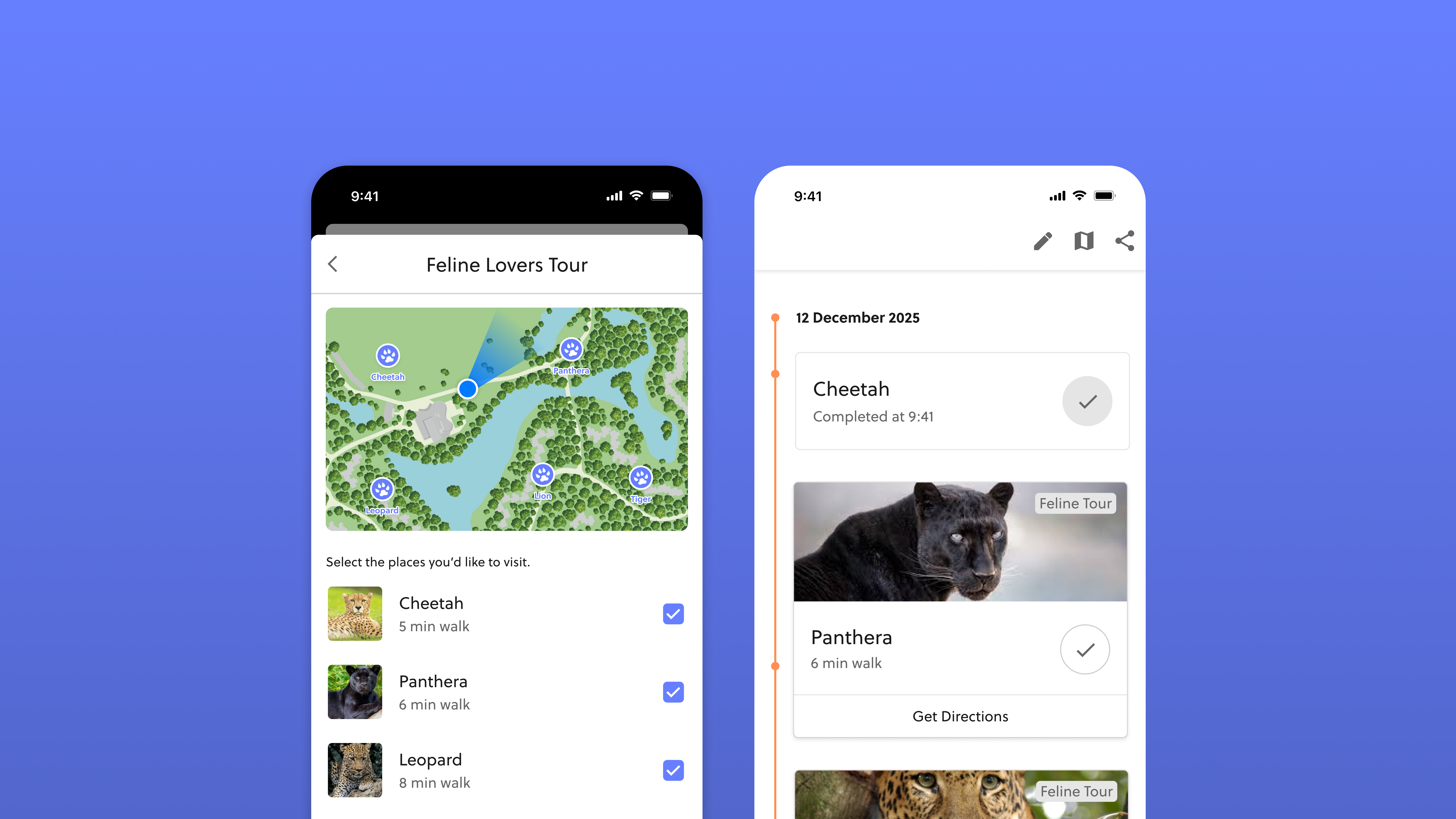
We have improved the planner capabilities by making it possible for guests to share the list of POIs they are planning to visit with friends and family.
Now, guests can share their plan so others can have the same list of POIs in their own app, keeping everyone on the same page throughout the day. If a guest already has a plan, any new POIs from a shared plan will merge into the existing one, so guests do not have to start over or manage duplicates and can simply build on what they have already planned. This makes group visits easier to organise and helps guests spend less time coordinating and more time enjoying the experience together.
Ticket sharing
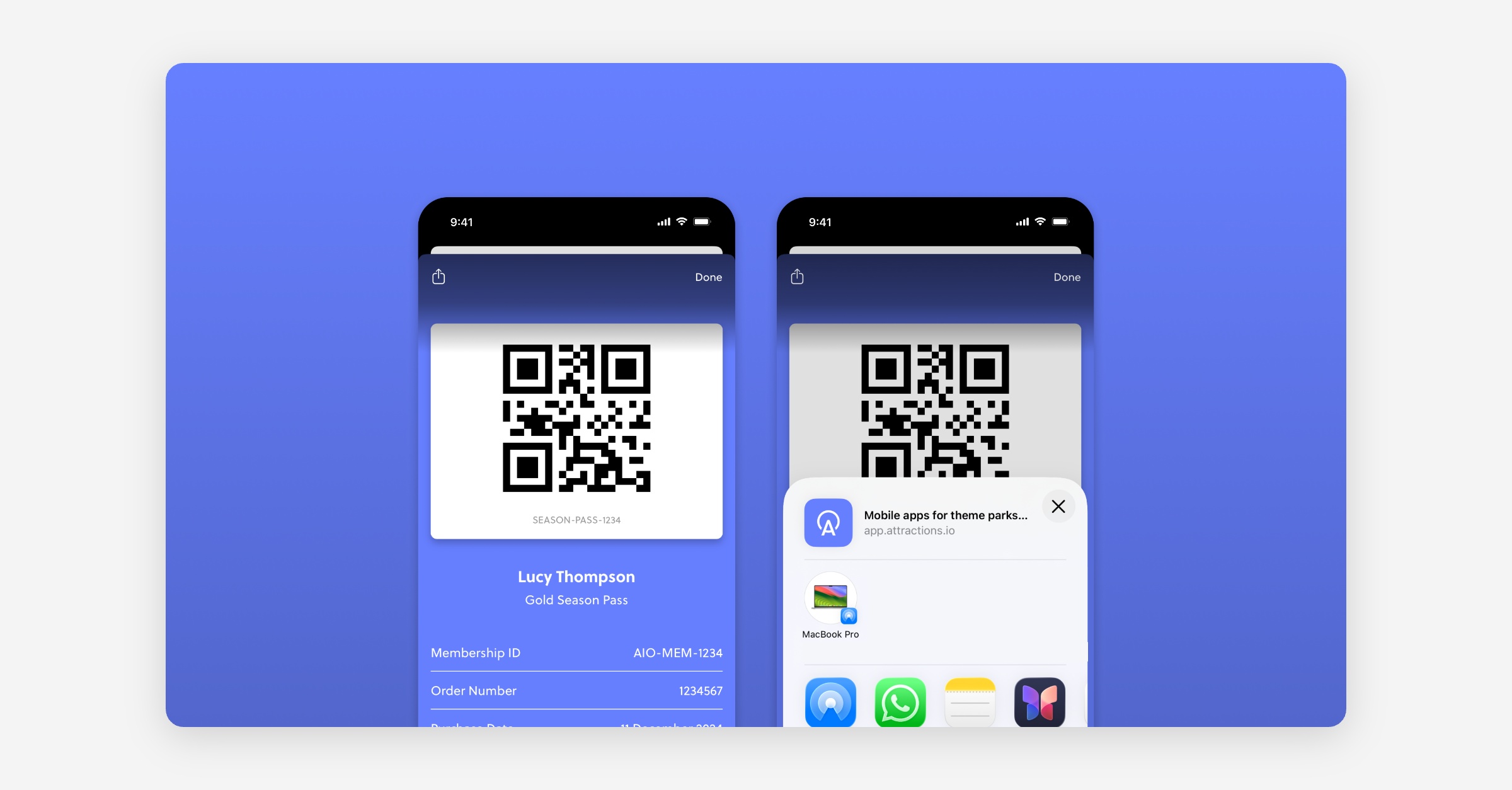
We have improved the ticketing experience by making it possible for guests to share tickets with others in their party.
Now, guests can securely share a ticket with friends and family so everyone can have their own ticket available in their app, ready for entry when they arrive. If a guest receives a shared ticket and already has other tickets in their wallet, the shared ticket is added alongside the existing ones, so nothing gets overwritten and guests do not have to juggle screenshots or switch phones at the gate. This makes group visits easier to manage, reduces bottlenecks at entry, and helps guests spend less time coordinating and more time enjoying the day together.
Show related offers on POIs
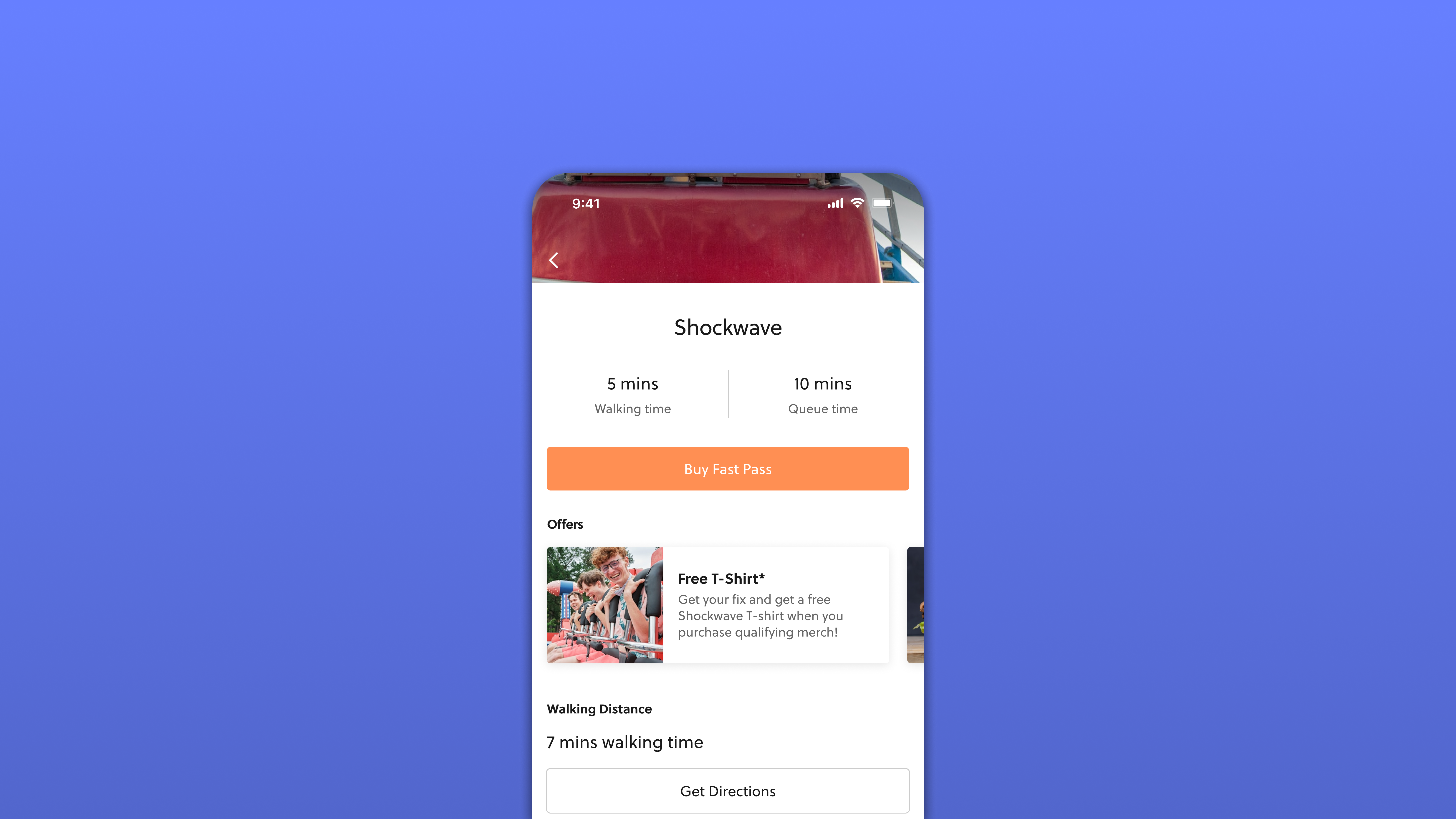
Operators can now select related Points of Interest when creating offers, which allows guest to see offers that are nearby but also directly on the relevant POIs pages. This increases discoverability and drives more guests to see what offers they can take advantage of while at your venue.
Deeplink to Shop tab
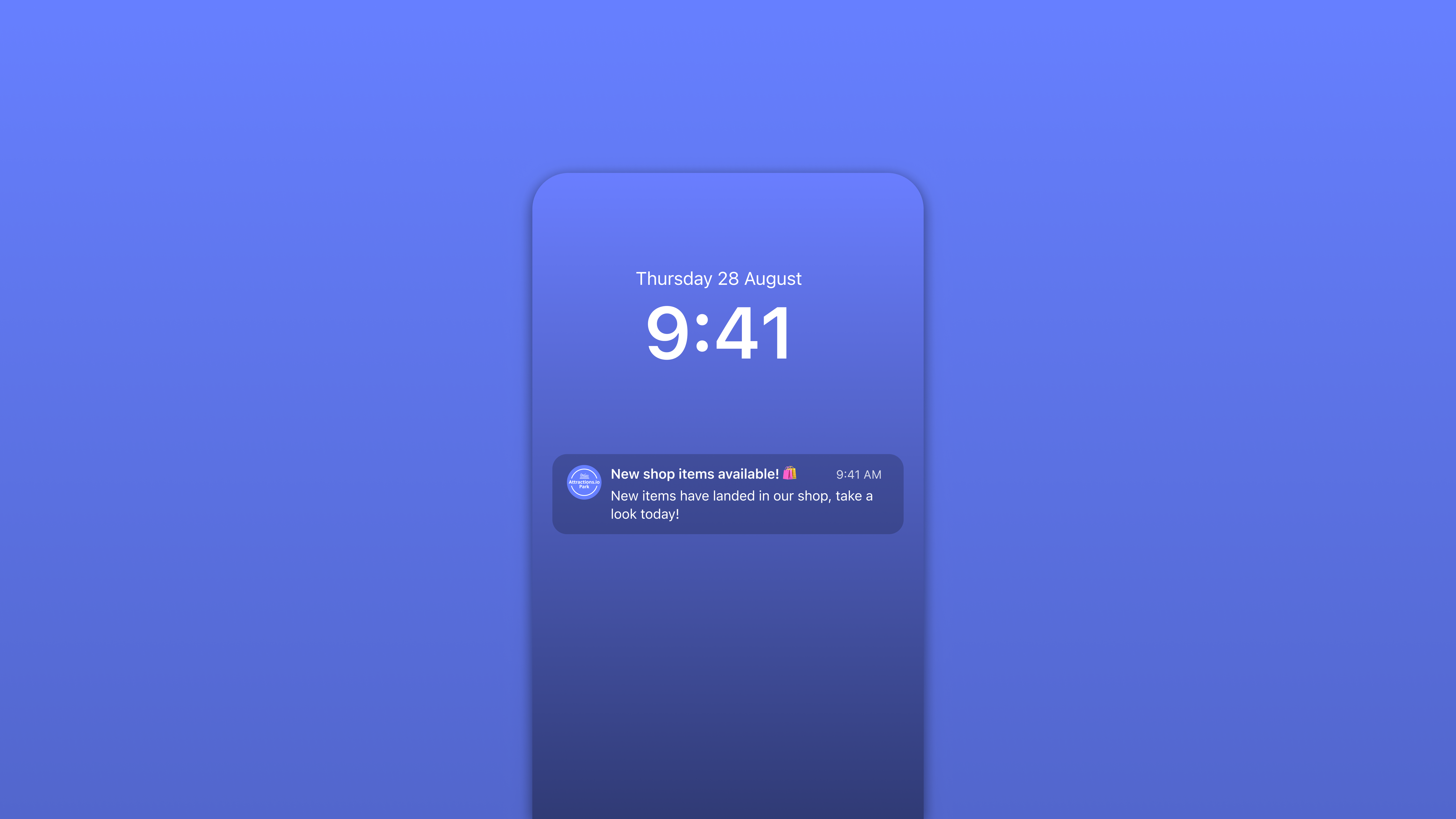
Operators will be able to create direct links to the in-app Shop, making it easier to promote products and offers. This enables targeted push notifications and marketing campaigns that take guests straight to the shopping experience, helping to drive awareness and increase sales.
Dynamic pricing support
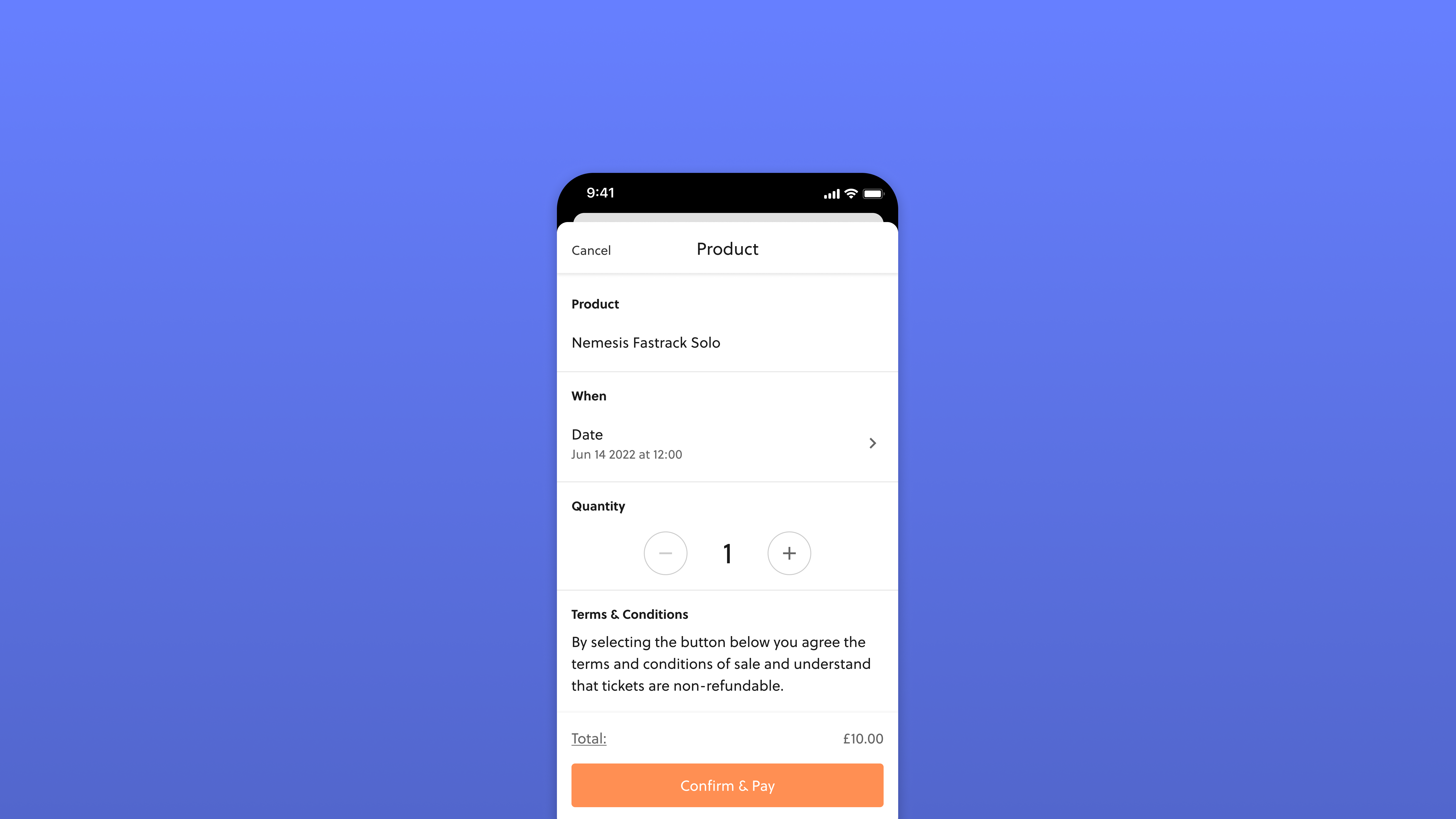
We’ve introduced a new integration to support dynamic and variable pricing within the app, should the service provider also support this functionality. This enables operators to harness dynamic pricing to sell products such as Fast-Track tickets.
View F&B outlets in one place
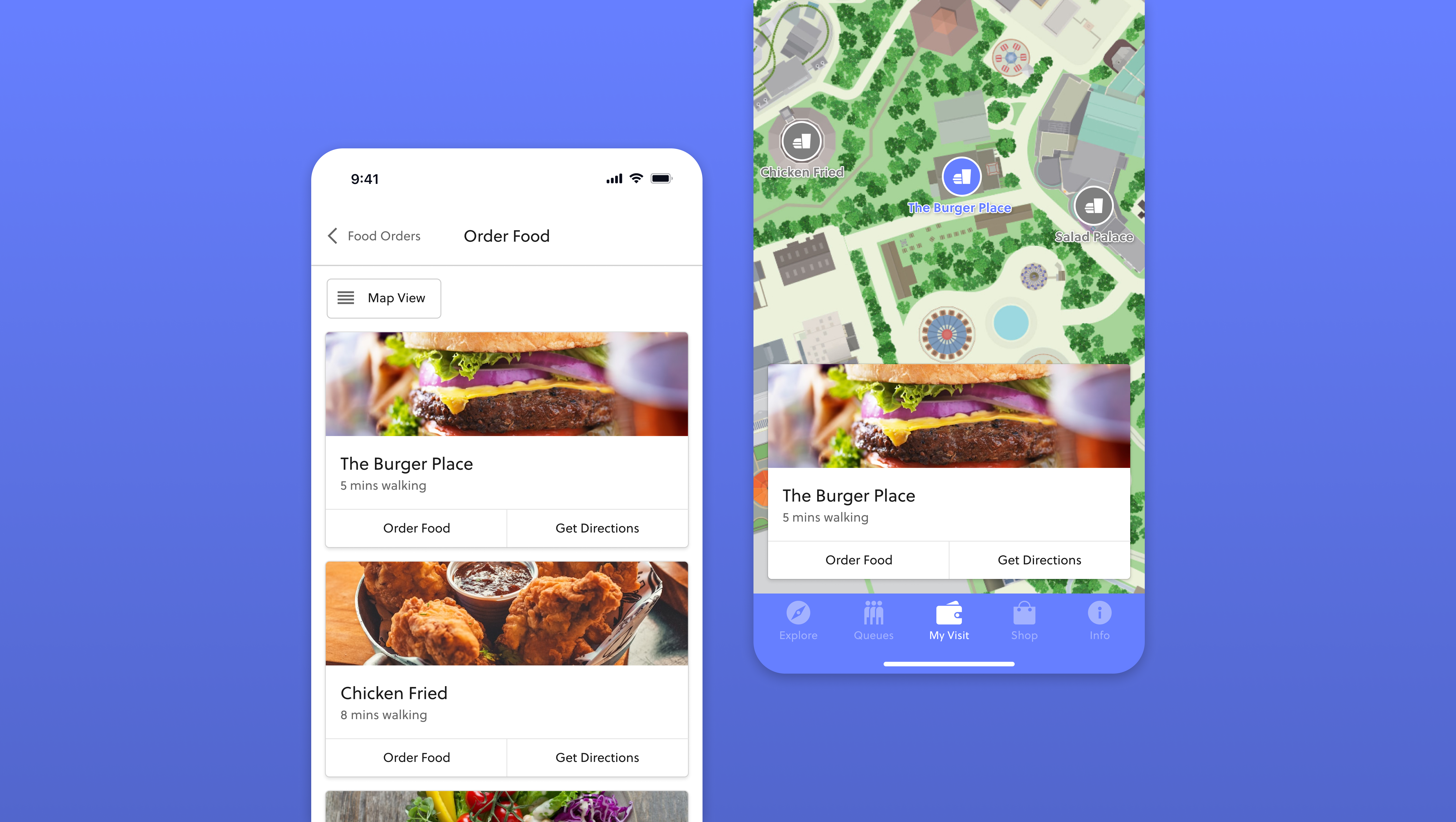
We have improved food outlet discoverability by making it easier for guests to find all locations that offer food within the app. Previously, guests could only see a limited selection of outlets, making it difficult to understand the full range of available dining options in the park.
Now, guests can view a complete list of food-serving outlets and explore them via an interactive map or a scrollable list. This enhancement ensures that no outlet goes unnoticed and helps guests discover new dining experiences that match their preferences and location.
MapLayr Web SDK enhancements
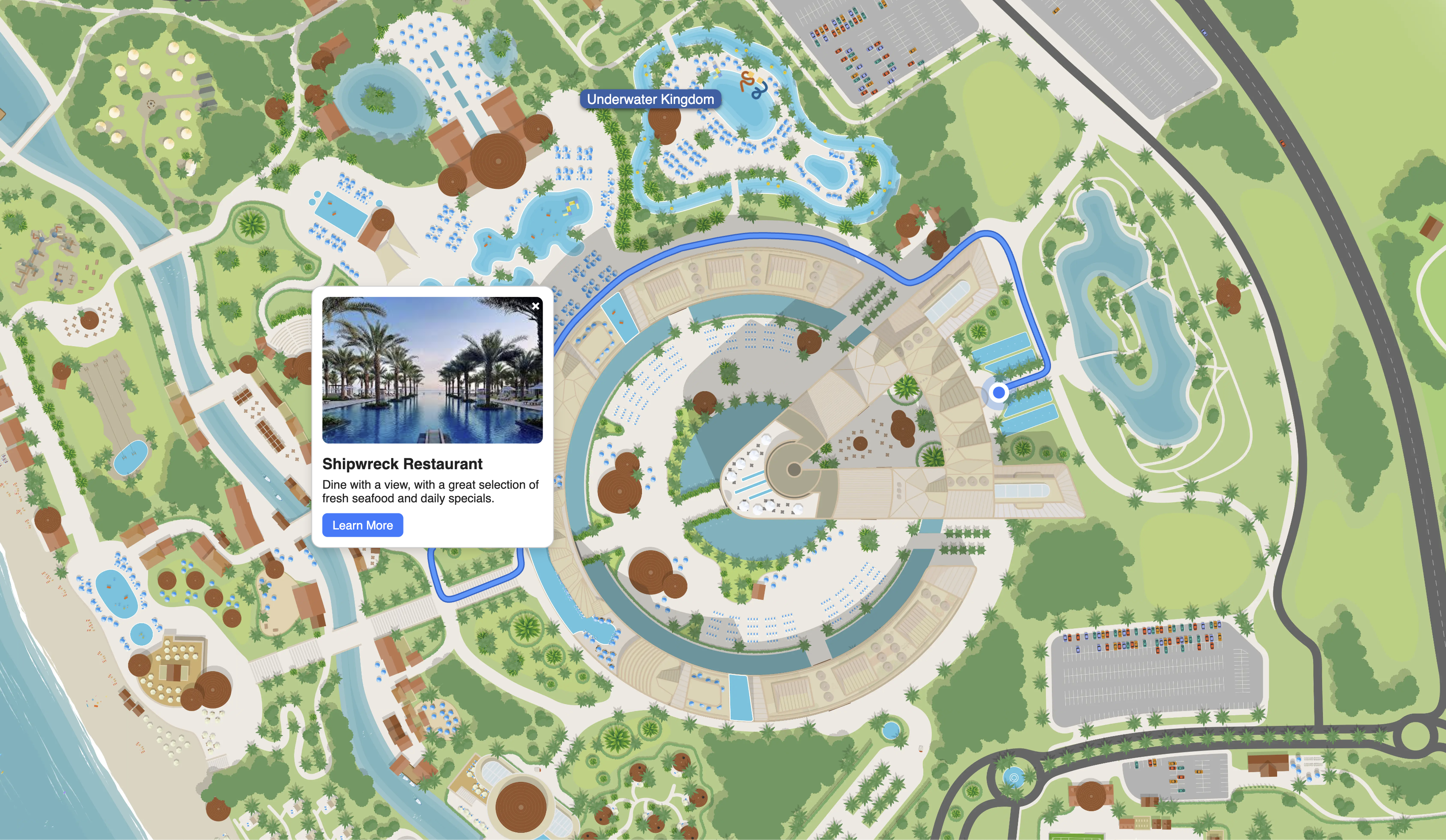
We’ve expanded the MapLayr Web SDK with new features that bring it closer to the native app experience. Developers can now add enhanced POI annotations, enable walking navigation, control the map camera, and include interactive overlays—all directly within the browser.
These improvements make it easier to build rich, location-aware experiences on the web that match the quality and branding of mobile apps. Whether guiding guests through a venue or highlighting key attractions, developers have more tools to create engaging and consistent interfaces across platforms.
This update supports the growing need for cross-platform experiences and gives teams a unified way to deliver high-performance maps on both web and mobile.